


The role of chance and psychology in casino games
Casino games are steeped in odds and psychological elements that influence player behavior. Most casinos take advantage of the random nature of gambling to entice players. The realization that you can make a big profit, even if the chance is small, responds to human hopes and desires. This phenomenon, known as 'gambling addiction', creates an environment where players keep coming back, despite the negative outcomes. It is interesting to note that players also have information about foreign gambling sites can explore to broaden their options.
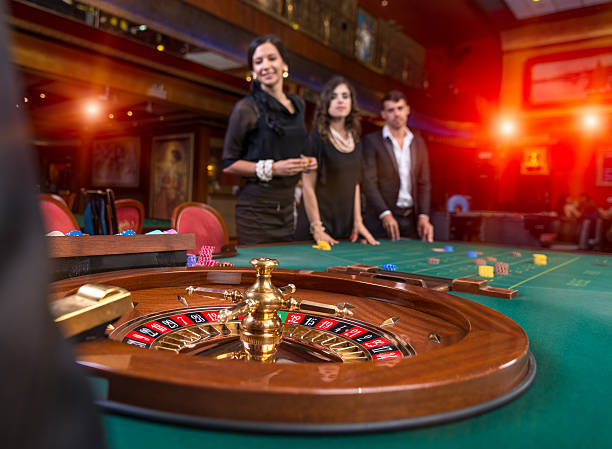
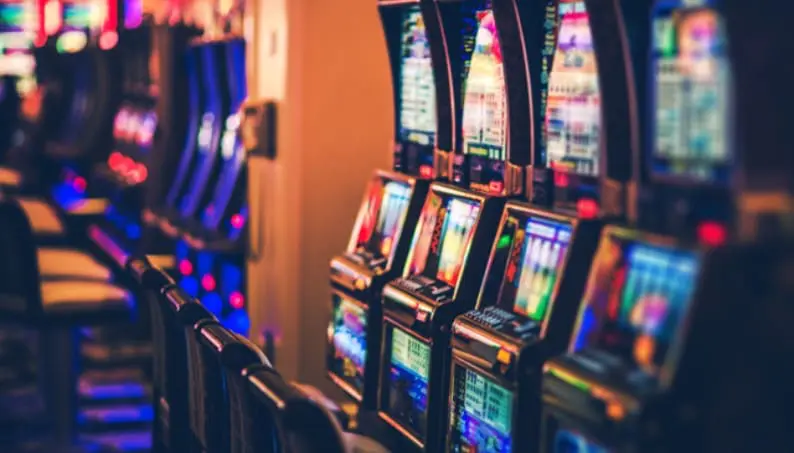
In addition, the way games are designed is crucial. The visual and auditory design of a game can increase the player's emotional involvement. Sounds of falling coins or the exciting music while winning stimulate a feeling of victory, which encourages the players to continue, even as their losses mount.
Strategies and their psychological impact
Players often develop unique strategies to maximize their chances of winning. These strategies are not just based on math, but also on the psychological belief that they have control over their happiness. For example, players believe that following specific patterns can help them compensate for their losses. This behavior is strongly linked to the human tendency to recognize patterns, even if they are random.
Using popular strategies such as the Martingale method, where players double their bet after each loss, is an example of how psychological beliefs can influence gambling behavior. Although this strategy may initially seem successful, it can lead to major losses, especially when players feel the psychological pressure to continue to regain their losses.
The influence of environmental factors on gambling
The physical and social environment of a casino has a significant influence on gambling behavior. Casinos are often designed to create an atmosphere of excitement and energy, where colors, lighting and sounds are tailored to stimulate the senses. This strategic layout keeps players in the game longer and increases the likelihood that they will spend more.
In addition, there is social interaction, both with other players and with the staff, an essential part of the casino experience. Seeing other people win can motivate players to keep going. These social dynamics can lead to a sense of community, which increases the likelihood that people will return, even if their personal experiences are mixed.
Coping with loss and the psychology of winning
An important psychological aspect of gambling is how people deal with losing and winning. Players tend to minimize the impact of losing and maximize the joy of winning. This phenomenon, known as 'loss aversion', means that the pain of losing outweighs the joy of winning equivalent amounts.
This cognitive bias can cause players to take more risks to regain their losses. This can trap them in a cycle of gambling that is difficult to break. The emotional responses to winning and losing are fundamental to their perception of gaming behavior and influence their future gambling strategies.
The role of this website in understanding casino psychology
This website provides valuable insights into the complex world of casino psychology. By discussing strategies and the underlying psychological principles, the site helps players better understand why they make certain choices while gambling. This understanding can help players gamble more consciously and recognize potentially problematic patterns.
The purpose of this website is to enrich the casino experience by providing educational content that empowers players to make informed decisions. By exploring the psychological aspects of gambling, we want to promote a more responsible gaming environment and increase awareness about the risks of gambling.
