


Gambling in different cultures
Gambling has deep roots in various cultures around the world., each of which perceives risk and luck in its own way. In some societies, gambling is considered an integral part of the culture, where they play an important role in traditions and rituals. For example, board games in China, such as mahjong, used for more than just entertainment, but also as a way of social interaction, especially when choosing top rating online casino for discussion among friends.
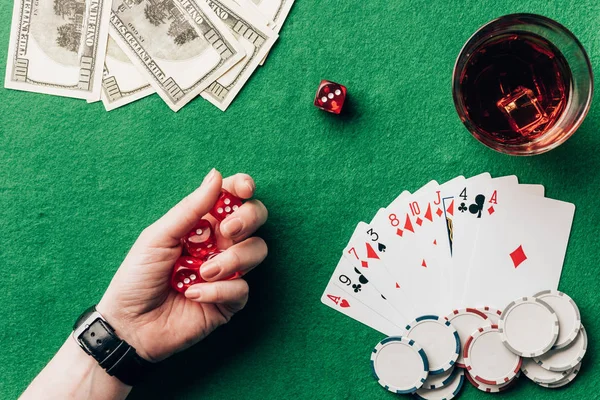
While in Western Europe and America gambling is often associated with casinos and bookmakers, in Asian countries they can take the form of holidays and festivals. Here risk and luck are perceived as part of life's journey, where victories and defeats are perceived with a philosophical approach.
Perception of luck in different nations
Luck is a key element of gambling, and different peoples have different attitudes towards it. In some cultures, luck is considered something mystical, which may depend on various factors, such as rituals or blessings. For example, in Japanese culture, lucky amulets and magenta symbolism, god of luck, play an important role in attracting luck.
While other peoples may view luck as the result of chance or chance factors, some communities pay attention to rituals and signs, believing, that they can affect the outcome of the game. This highlights the diversity of cultural approaches to gambling and the perception of luck in different parts of the world.
Risk is part of the game
Risk is an important aspect of gambling, and its perception also varies depending on cultural traditions. In Western countries, people may view risk as an opportunity for gain., which sometimes leads to gambling addiction. In such societies there are many laws and rules, gambling regulators, to minimize potential negative consequences.
In other cultures, risk may be perceived as something more philosophical, where players can accept it as part of their destiny. For example, in some African communities, gambling may be associated with social rituals, where risk is seen as part of the common good and collective responsibility.
Ethics of Gambling
Gambling ethics also vary from culture to culture. In some societies, gambling is considered sinful and unacceptable, while in others they are perceived as a form of entertainment and a way to bring people together. This difference in perception sometimes leads to conflicts, especially in multicultural societies, where different values and traditions meet.
An important aspect is also the influence of legislation on the gambling culture. In countries with strict laws, gambling may be marginalized, what influences their social status. However, in regions with more liberal approaches, gambling can develop as a full-fledged industry, bringing economic benefits.

Site information
Our site offers an in-depth analysis of the best online casinos 2025 year, giving users the opportunity to choose reliable platforms to play for real money. We take into account many factors, such as license, range of games and quality of service, to help players avoid dubious projects.
Each casino on our website has a rating, which allows you to quickly determine the best options for the game. Our goal is to provide players with the information they need to make informed decisions in the world of gambling.
